Forex Risk Management: Smart Strategies for Traders
In the world of forex trading, profits don’t come from winning every trade—they come from managing risk effectively. Even the most experienced traders face losses. What separates consistent traders from beginners is forex risk management.
This guide breaks down actionable strategies, position sizing techniques, and tools to help you protect your capital and grow sustainably.
What Is Forex Risk Management?
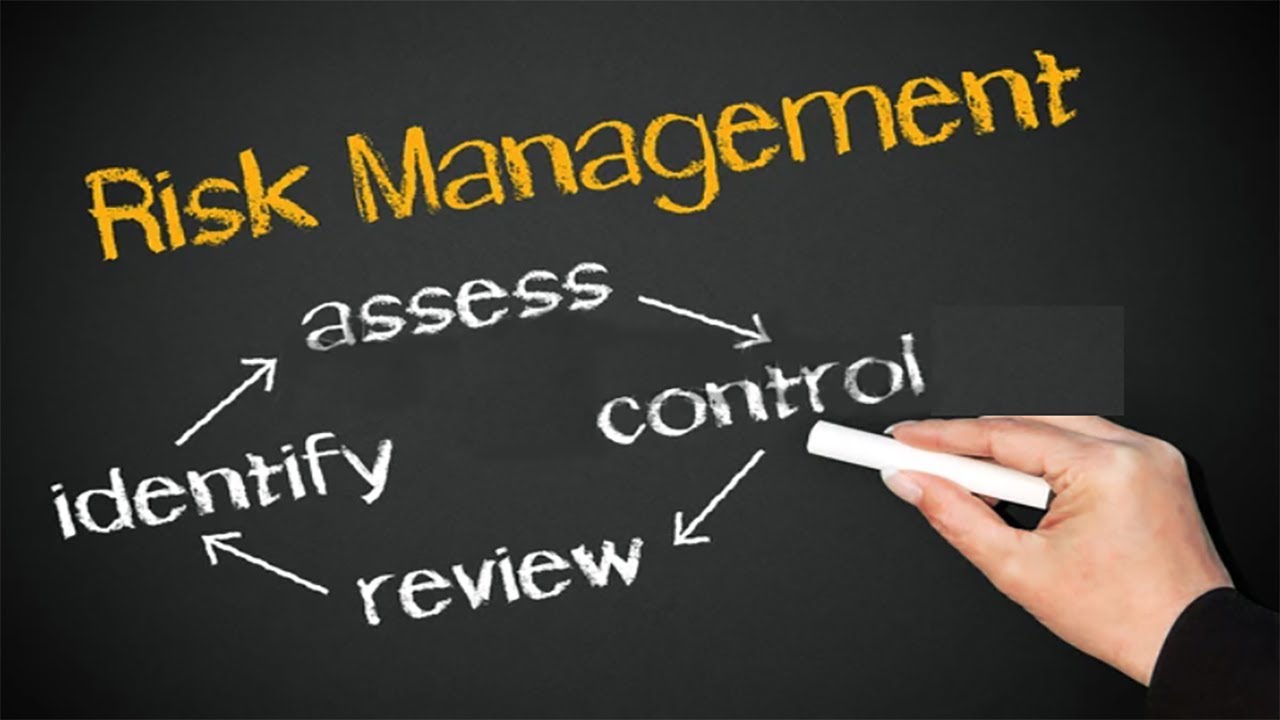
Forex risk management refers to the process of identifying, analyzing, and controlling potential losses in currency trading.
Instead of focusing only on profits, successful traders prioritize:
- Capital preservation
- Controlled exposure
- Long-term consistency
Key Insight: According to multiple broker reports, over 70–80% of retail forex traders lose money, primarily due to poor risk management—not strategy failure.
Why Risk Management Matters More Than Strategy
You can have a profitable trading strategy, but without proper risk control, one bad trade can wipe out your account.
Example:
- Trader A risks 20% per trade → 5 losing trades = account blown
- Trader B risks 2% per trade → survives 20+ losses
The difference isn’t skill—it’s discipline.
Core Forex Risk Management Strategies
1. The 1–2% Rule (Golden Standard)
Never risk more than 1–2% of your total account on a single trade.
Why it works:
- Protects against drawdowns
- Allows recovery after losses
- Supports long-term growth
2. Stop-Loss Placement (Non-Negotiable)
A stop-loss defines your maximum loss before entering a trade.
Best practices:
- Place stops based on market structure, not emotions
- Avoid tight stops in volatile markets
- Always calculate risk before entry
3. Risk-Reward Ratio Optimization
Aim for a minimum 1:2 risk-reward ratio.
Example:
- Risk: $50
- Target profit: $100
Even with a 40% win rate, you can stay profitable.
4. Diversification Across Pairs
Avoid overexposure to correlated pairs like:
- EUR/USD and GBP/USD
- USD/JPY and USD/CHF
Smart approach:
- Trade different currency groups
- Limit simultaneous positions
5. Avoid Overtrading
More trades ≠ more profit.
Overtrading leads to:
- Emotional decisions
- Increased transaction costs
- Higher risk exposure
Forex Position Sizing Risk Management Explained
Position sizing determines how much you trade based on risk.
Formula:
Position Size = (Account Risk) ÷ (Stop Loss in Pips × Pip Value)
Example:
- Account: $10,000
- Risk per trade: 1% = $100
- Stop-loss: 50 pips
Position size adjusts automatically to maintain consistent risk.
Why Position Sizing Matters
Proper forex position sizing risk management ensures:
- Equal risk across trades
- Reduced emotional stress
- Better consistency
Without it, traders often:
- Over-leverage
- Blow accounts quickly
Forex Risk Management Tools Every Trader Should Use
Using the right tools can automate and improve decision-making.
1. Risk Calculators
Helps determine:
- Lot size
- Risk percentage
- Stop-loss levels
2. Trading Journals
Track:
- Wins/losses
- Risk exposure
- Emotional patterns
Traders who maintain journals improve performance by 20–30% over time.
3. Economic Calendars
Avoid high-risk volatility during:
- Interest rate decisions
- CPI announcements
- NFP releases
4. Automated Stop-Loss & Take-Profit Tools
Built into most trading platforms:
- Prevent emotional exits
- Ensure discipline
Advanced Forex Risk Management Strategies
1. Scaling In and Out
Instead of entering full position at once:
- Enter gradually
- Exit in parts
Reduces risk and locks profits.
2. Hedging
Open opposing trades to reduce exposure.
Example:
- Buy EUR/USD
- Sell correlated pair
Use carefully—can increase complexity.
3. Drawdown Control Strategy
Set a maximum drawdown limit:
- Example: Stop trading after 10% loss
Prevents emotional revenge trading.
4. Volatility-Based Positioning
Adjust risk based on market volatility:
- High volatility → smaller positions
- Low volatility → normal positions
Common Risk Management Mistakes to Avoid
Ignoring Stop-Loss
Leads to massive losses.
Over-Leveraging
High leverage = high risk.
Emotional Trading
Fear and greed destroy discipline.
Risking Too Much Per Trade
Anything above 3–5% is dangerous.
Chart/Table Idea (For Article Enhancement)
Title: Risk vs Reward Comparison Table
| Risk per Trade | Win Rate Needed to Break Even |
|---|---|
| 1:1 | 50% |
| 1:2 | 33% |
| 1:3 | 25% |
This table visually shows how better risk-reward ratios reduce pressure on win rate.
How to Build a Personal Risk Management Plan
Follow this step-by-step framework:
Step 1: Define Risk Per Trade
Stick to 1–2%.
Step 2: Set Daily/Weekly Limits
Example: Stop after 3 losses.
Step 3: Choose Risk-Reward Ratio
Minimum 1:2.
Step 4: Use Position Sizing
Adjust trade size dynamically.
Step 5: Review Performance Weekly
Track mistakes and improve.
FAQs About Forex Risk Management
1. What is the best risk percentage in forex trading?
The safest approach is risking 1–2% per trade. This protects your account from large drawdowns.
2. Why do most forex traders fail?
Most traders fail due to:
- Poor risk management
- Overleveraging
- Emotional decisions
Not because of bad strategies.
3. Which tools help with forex risk management?
Popular tools include:
- Risk calculators
- Trading journals
- Economic calendars
- Automated stop-loss systems
4. Can you trade forex without risk management?
You can—but it’s almost guaranteed you’ll lose money. Risk management is essential for survival.
Conclusion: Protect First, Profit Second
Forex trading isn’t about chasing profits—it’s about protecting capital first. With strong forex risk management strategies, disciplined position sizing, and the right tools, you can stay in the game long enough to become consistently profitable.
Remember:
Amateurs focus on profits. Professionals focus on risk.
Call to Action
Start implementing these forex risk management techniques today:
- Set your risk per trade
- Use proper position sizing
- Track every trade
If you want long-term success in forex, build your strategy around risk—not hype.